Fixing Your Bike in Paris: Participatory Repair Workshops and Trusted Mechanics
Your derailleur has finally given up the ghost. Your inner tube has breathed its last. Your disc brake has been grinding for three weeks and you’ve been turning a blind eye. In Paris, this story repeats itself every day for thousands of cyclists. The good news? The city is brimming with participatory workshops, passionate independent mechanics, and places where you can learn to never again be caught out by a puncture.
In this city, you’re not condemned to pay through the nose at a chain shop or to let a repairable bike rust away. You just need to know where to go.
Participatory Workshops: Learning by Doing
La Récup’ du Vélo — Goutte d’Or, 18th arrondissement
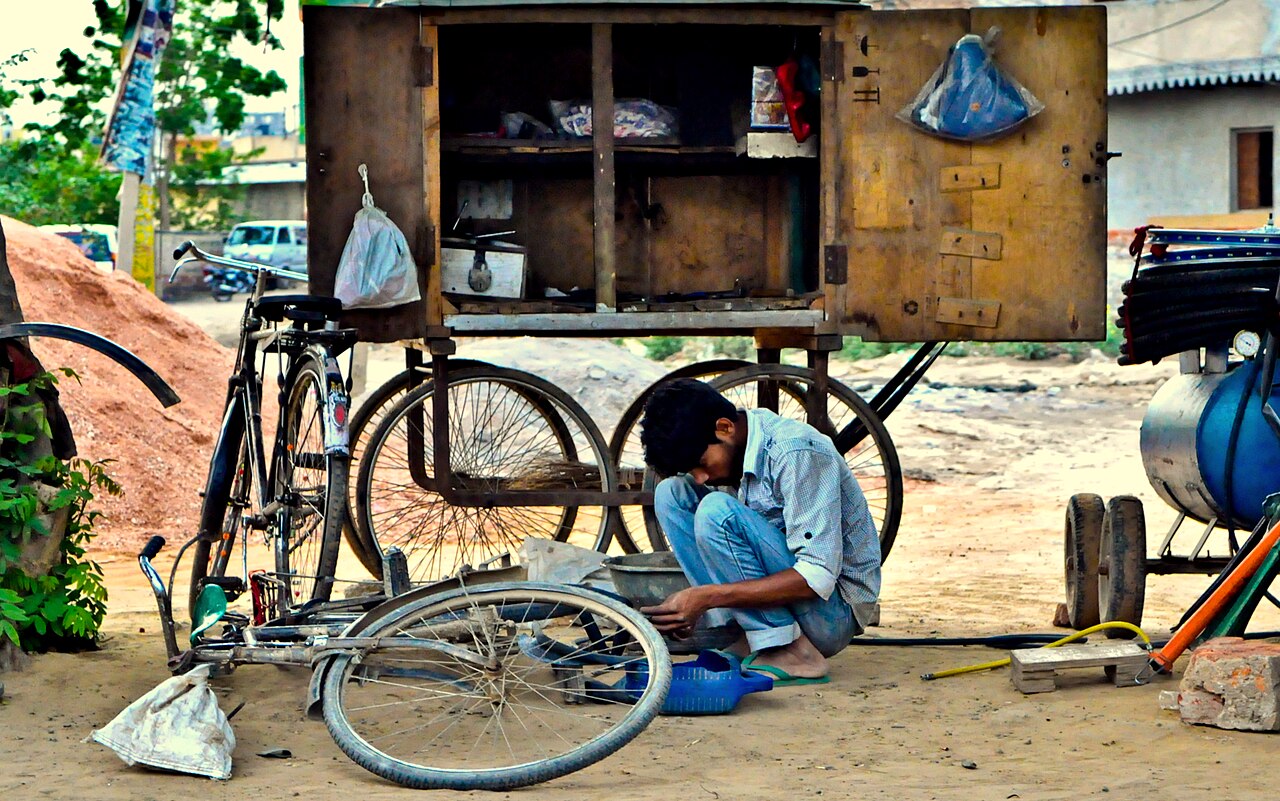
This is the address whispered amongst Parisian cycling groups. La Récup’ du Vélo has been based in the Goutte d’Or neighbourhood since 2011. The concept: you come in with your broken bike, a volunteer mechanic guides you, and you carry out the repair yourself. Here, they don’t fix things for you. They fix things with you.
In a two-hour session, here’s what you genuinely learn to do: change an inner tube (yes, the classic one), adjust a brake pad, oil a chain properly, and sometimes — if you’re feeling brave — tune a derailleur. Expect to pay a suggested contribution of 5 to 10 euros. Reclaimed parts are available on-site at affordable prices.
A story from the workshop floor: one Sunday morning, I watched a 68-year-old retired woman remove her rear wheel for the very first time in her life. Twenty minutes later, she was leaving with a smile on her face. That’s the spirit of the place.
Bicloune — Belleville, 20th arrondissement
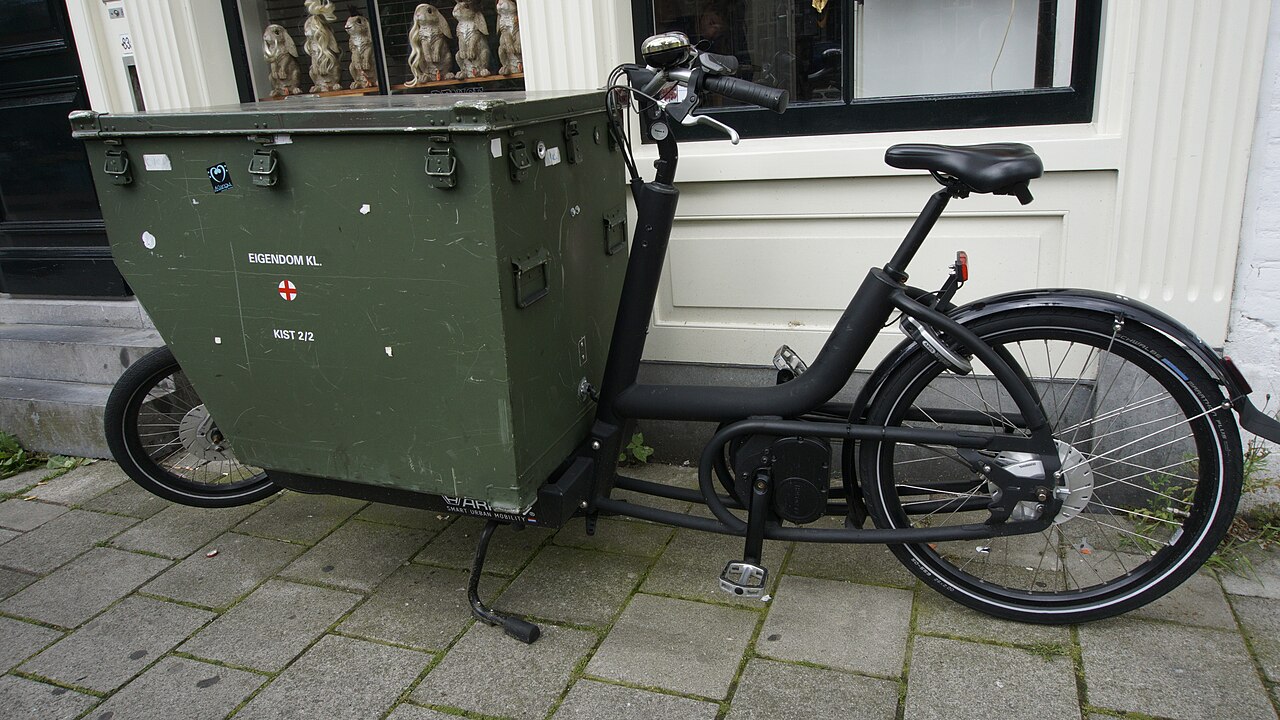
Bicloune opened its doors in the 20th arrondissement with a similar philosophy but a more urban edge. The atmosphere here is a touch younger, a touch more DIY. They run themed workshops — one Saturday on hydraulic brakes, another on the electrical wiring of electric-assist bikes. Their cargo workshop, launched in 2022, has become a reference point: they’re one of the few places in Paris that takes longtails and box bikes seriously.
Bicloune also offers a monthly subscription for regulars: open access to the workshop, full tooling, and a mechanic on hand for questions. At 25 euros a month, it’s unbeatable if you have a demanding bike.
Vélorution and the City’s Other Volunteer Workshops
Paris has a dense network of community workshops. In the 11th, L’Atelier Tout Terrain holds open sessions on Wednesday evenings. In the 13th, Cyclop’ works with young people in vocational training. In the 19th, Roue Libre functions as much as a social hub as a mechanics’ workshop. These places don’t always advertise — they run on word of mouth, local networks, and flyers in bakery windows.
The best way to find them: the Répare Café Paris website lists some of these initiatives. The rest is a matter of getting out there.
Recommended Mechanics by Neighbourhood
When a participatory workshop isn’t quite right — because the problem is serious, because you’re short on time — here are the independent mechanics our team has tested and approved.
Right Bank
Le Bicrosseur (10th, rue du Faubourg-Saint-Martin) — A specialist in road bikes and fixies, but not snobbish about it. They’ll fix anything. Reasonable turnaround, honest quotes.
Vélo Story (17th, avenue de Clichy) — A neighbourhood institution that’s been going since 2009. Excellent on classic mechanics, reliable for full services. Ask for Karim — he’s seen every brand going.
La Petite Reine (3rd, rue des Gravilliers) — A tiny workshop in the Marais. Specialises in Dutch and urban bikes. Sometimes there’s a waiting list, but the work is meticulous.
Left Bank
Cyclo Sphère (5th, boulevard de Port-Royal) — A stone’s throw from the Luxembourg Gardens. Strong on road bikes and internal-hub gearing. Fair prices, professional service.
AtmoCycle (14th, rue d’Alésia) — An institution in the south of Paris. Electric bike specialists since 2016. If your battery is showing signs of weakness, this is where they’ll know how to diagnose it.
Vélodyssée (7th, rue de Grenelle) — A discreet but excellent workshop. Solid credentials with touring bikes and long-distance cycling. They’ll order rare parts without batting an eyelid.
Cargo Bike Repairs: Who Really Knows Their Stuff?
This is the question that frustrates cargo bike owners. Because a Babboe, a Riese & Müller Load, or an Urban Arrow is not a bike like any other. The geometries are specific, the box forks require experience, and some drivetrains need proprietary tools.
In Paris, three addresses are universally praised by cycling parents:
- Bicloune (20th) — already mentioned, a pioneer in cargo bikes.
- Cargo Bike Paris (11th, rue Popincourt) — a 100% cargo-specialist workshop, opened in 2020. They handle all brands, including three-wheeled models. Their strength: they order directly from manufacturers for hard-to-find parts.
- AtmoCycle (14th) — excellent on the electrical side of cargo bikes (Bosch motors, Shimano Steps).
One tip: if your cargo bike is still under warranty, check with your dealer first. But if the warranty has expired, these three are your best allies.
Hard-to-Find Parts: Where to Look in Paris
You have a Shimano XTR derailleur from 1997. A Nitto handlebar from the 1980s. A brake lever for a Czech bicycle from the 1970s. Where do you find these things in Paris without spending three weeks on eBay?
Le Vieux Campeur (5th) — Their cycling section is a goldmine. Not just for new parts: they have a serious spare parts area, and the staff know their stuff.
Decathlon Pro (selected sections) — For everyday parts at low prices. Not the most exciting, but reliable for cables, brake pads, and standard cranksets.
Recyclerie Sportive (19th, Parc de la Villette) — Extraordinary for reclaimed parts. Everything is sorted, labelled, and sold at token prices. Ideal if you’re restoring an old bike or searching for a specific part without breaking the budget.
Vélophil (online, but fast delivery to Paris) — The French specialist in rare and vintage parts. If you can’t find it there, the part no longer exists.
And then there are the flea markets. The Montreuil market, on Sunday mornings, remains a cult destination for second-hand bike parts. We’ve spotted TA chainrings, Mavic wheels, and Brooks saddles in perfect condition at prices that defy all competition.
What You Really Learn at a Workshop
There’s one question that keeps coming up: “I know nothing about mechanics — can I still come along?”
Yes. And here’s what you’ll be able to do after just one two-hour session at a participatory workshop:
- Change an inner tube — The classic. You remove the wheel, take out the tube, fit a new one, put it all back together. After that, you’ll never panic at a puncture again.
- Adjust brake cable tension — A few turns of the barrel adjuster, and you’ve got brakes that bite again.
- Lubricate your chain properly — Not just pouring oil on it. Knowing when, how much, and how to wipe off the excess.
- Check the tightening of your stem and handlebars — Basic safety, far too often overlooked.
After two sessions, you add derailleur adjustment. After four, you can remove and refit a freewheel. Bike mechanics is accessible. You just have to take the plunge.
Conclusion: Paris Pedals, Paris Repairs
For a long time, the French capital was a city of cars. It is becoming a city of bikes — but a city of bikes that knows how to look after its machinery. Participatory workshops, neighbourhood mechanics, cargo specialists, hunters of rare parts: a whole ecosystem has been built, quiet but solid.
The next time your bike lets you down, don’t leave it propped up in a corridor. Grab your metaphorical toolkit, call a workshop, and go in ready to get your hands dirty. We promise: you’ll come out with something more than two working wheels. You’ll come out with a real relationship with your machine.
— Samir K.